
English| EUR
Suggested for you
More currencies
Choose a language
Few destinations carry a reputation as loaded as this strip of land along the Dniester. The reality on the ground is quieter than the headlines suggest, and far more procedural. This is it safe to visit transnistria guide sets out what the region actually asks of a visitor, and where genuine caution belongs.
Quick answer
Yes, for most day visitors it is safe, and entry costs 0 EUR — free, with registration via a migration card required at the border. The territory is open around the clock, 00:00–23:59 every day of the week, but crossing between 08:00–16:00 is advised: daylight hours ensure safer border processing and visibility for travel. Political tension, not street crime, is the real variable.
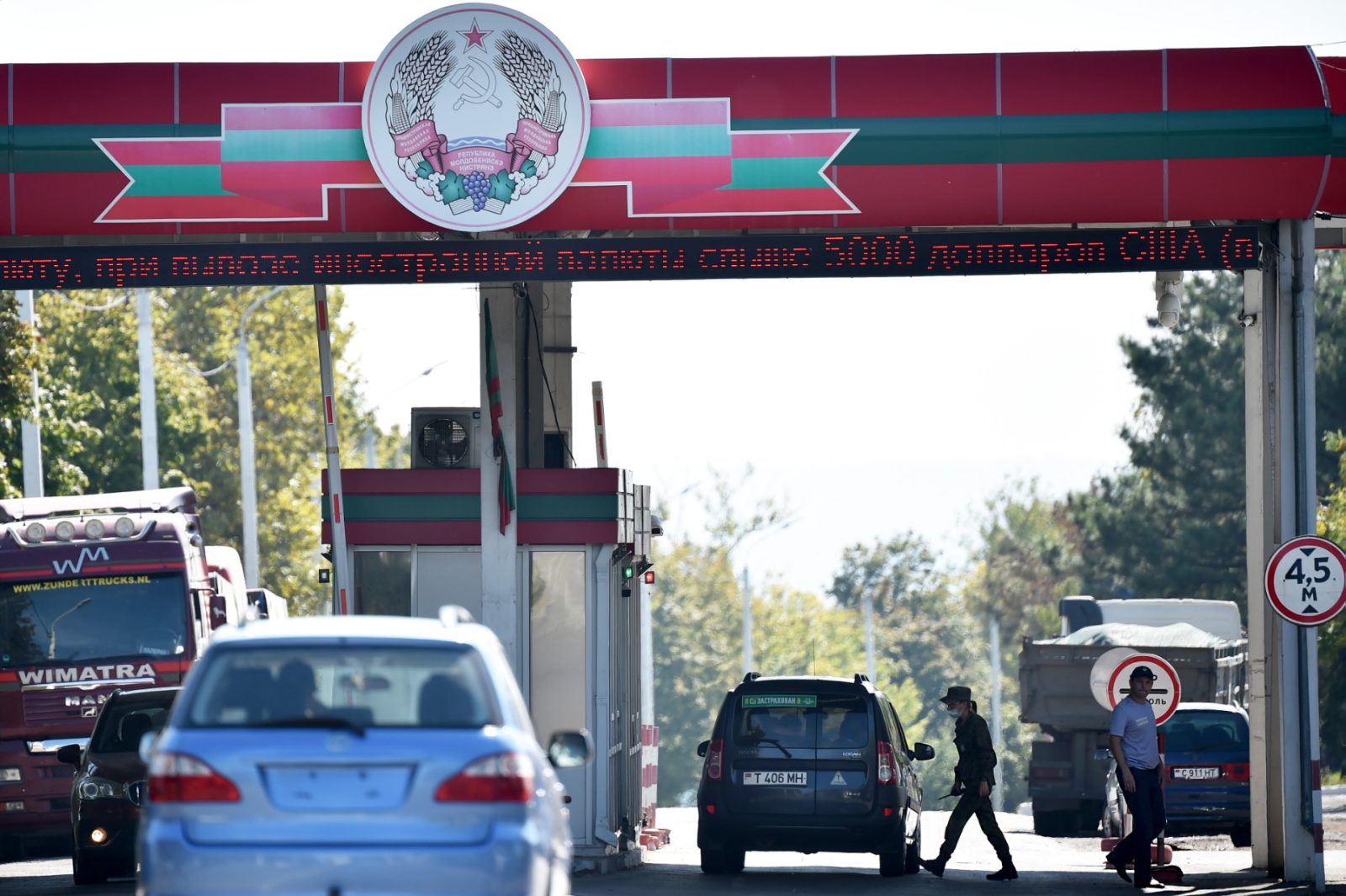
Transnistria still prints its own currency, the Pridnestrovian rouble, in coins made of plastic — a detail that captures how thoroughly this unrecognised republic has built a parallel state on the left bank of the Dniester. No United Nations member recognises it. Yet roughly 465,000 people live there, buses run on schedule from Chișinău, and the question of is it safe to visit transnistria has a far duller answer than the geopolitics implies. What a visitor is actually dealing with is bureaucracy rather than danger. The territory is reached only through checkpoints from Moldova, and the address on every practical document is simply Transnistria (Pridnestrovian Moldavian Republic), accessed via checkpoints from Moldova. Arrival triggers a short registration step, after which movement inside is unrestricted. Violent crime against foreigners is rare; Tiraspol's Ulitsa 25 Oktyabrya, the Kvint distillery, Bendery Fortress and the Sheriff sports complex all sit within ordinary walking distance of each other, patrolled and well lit. Travellers researching a Transnistria day tour from Chișinău usually find the trip closer to a museum visit than an expedition. The frictions that do appear are administrative: paperwork that must match a passport exactly, and an insistence on photographing nothing that resembles a military installation. The context that makes this make sense is diplomatic, not criminal. Because the republic is unrecognised, Moldova's consulates cannot assist inside it, and most Western embassies advise that consular help is effectively unavailable beyond the Dniester. Insurance policies frequently exclude the territory for the same reason. That is the honest core of the risk: not that something is likely to happen, but that recourse is thin if it does. Regional tension, particularly around gas supply and any escalation in nearby Ukraine, can change conditions faster than guidebooks update. So the practical use of the answer is to travel deliberately. Carry the passport used at the checkpoint, keep the registration slip until departure, bring cash since foreign cards rarely work, and register with a home embassy before entering Moldova. Anyone weighing is it safe to visit transnistria in 2026 should check current advisories within a week of travelling rather than relying on any single source, including this one. Guided crossings remain the simplest route for first-timers, since a driver who knows the checkpoint staff removes most of the uncertainty from the day.
“The real risk in Transnistria is not danger but distance from help — recourse, not crime, is what thins out beyond the Dniester.”
This procedure takes you from the Moldovan side of the line to a legal, registered stay inside Transnistria (Pridnestrovian Moldavian Republic), which is accessed via checkpoints from Moldova. Border formalities themselves usually take 15 to 40 minutes, depending on the queue and how many passengers are processed ahead of you.
Bring the physical passport you entered Moldova with, not a copy or a national ID card. Travellers are routinely turned back because their document has under six months of validity or because they only brought a photograph of it.
Enter through a recognised crossing point such as Bender, Rîbnița or the Dubăsari road post, and follow the marked lane rather than any informal track. Crossing away from a checkpoint leaves you unregistered and is treated as an illegal entry by local authorities.
Tell the officer you are visiting as a tourist and name the town you are heading to, such as Tiraspol or Bender. Vague or contradictory answers are the single most common reason for extended questioning.
Registration via migration card is required at the border. Fill in your name, passport number, entry date and the address or hotel where you will stay, and check that the officer writes an exit deadline you can actually meet.
Store the slip with your passport and do not fold it into a pocket with receipts. You must surrender it when you leave, and losing it means a trip to the local migration office before you can exit.
If you remain beyond the period written on your card, report to the local migration office or ask your hotel to register you. Guesthouses and private apartments often do not do this automatically, unlike larger hotels.
Hand the migration card back at the same type of official checkpoint on your way out and confirm the officer records your departure. Leaving without this step can create problems on any future entry.
Entry to Transnistria is officially free of charge for all visitors. Legitimate border officials do not request payments to grant access.
Verdict: A typical adult pays 0 EUR for entry, as no official admission fees exist for crossing the border.
Most problems in Transnistria come from conduct on the ground rather than the journey itself. The mistakes below cover photography restrictions, identification, and behaviour around officials.
Photographing government buildings, checkpoints or military sites
Do not photograph parliament buildings, ministries, barracks, checkpoints, bridges or uniformed personnel. Signs are often absent, so treat any official or military structure as off-limits and ask before shooting in doubt.
Packing the passport and migration card in luggage
Keep your passport and the migration card issued on entry in a pocket or day bag. Police and transport staff can ask for both at any point, and producing them immediately ends most checks in under a minute.
Assuming Moldovan or foreign documents cover you
Carry the original passport, not a photocopy or phone image, and keep the migration card until you leave. The slip must be surrendered on exit, and losing it turns a routine departure into a lengthy administrative process.
Arguing with police or filming an ID check
Stay calm, hand over documents, and answer briefly. If you believe a request is improper, note names and numbers afterwards and contact your embassy rather than escalating on the spot.
Discussing politics or the region's status openly
Avoid debating the territory's status, Russia, or Moldova with officials, drivers or strangers. Locals may be comfortable with the subject; officials generally are not.
Ignoring local currency and cash-only reality
The Transnistrian rouble is not usable outside the territory and foreign cards rarely work. Change only what you plan to spend and keep small notes for buses, cafes and museum entry.
Everything you need to know about is it safe to visit transnistria
Travelers frequently ask is it safe to visit Transnistria given the complex geopolitical status of the region. Generally, the area remains calm for visitors who respect local laws and follow established protocols.
You do not need a traditional visa, but all visitors must complete registration via a migration card at the border. This process is standard for anyone asking is it safe to visit Transnistria and ensures your legal entry.
Border checkpoints are straightforward if you have your passport and follow officer instructions. Many travelers find that joining a professional excursion helps clarify if it is safe to visit Transnistria by providing local expertise.
The recommended arrival window is 08:00–16:00 to ensure daylight for border processing and better visibility. We prioritize this timeframe to help those wondering is it safe to visit Transnistria navigate their entry effectively.
Organized trips offer a secure way to explore the Pridnestrovian Moldavian Republic landmarks with local guidance. These services handle the logistics, allowing you to focus on the history and culture of the region.
The entrance fee is 0 EUR. While the region allows free entry, you must still present your identification to receive your temporary migration card.
Most transactions in Tiraspol and surrounding areas require local currency, the Transnistrian ruble, as international cards are often not accepted. Carrying cash is essential for your visit to this unrecognized state.
The most frequent error is failing to register properly or losing the migration card issued at the checkpoint. Always keep this document safe, as you will need it to exit the region successfully.